A model for change, made in Oregon
The University of Oregon created a new model for higher education: turn communities’ real-world challenges into experiential learning opportunities for students. Through the Sustainable City Year Program, students and faculty work alongside communities to develop creative solutions to pressing local challenges.
The brainchild of UO professors Marc Schlossberg and Nico Larco, the program launched in 2009 with a year-long partnership with the City of Gresham. Since then, more than 5,500 Ducks have contributed to projects in twenty-one Oregon cities.
At each site, students and faculty across diverse disciplines—such as architecture, urban planning, business, earth sciences, and journalism—collaborate with city teams for a full academic year. Together, they energize communities to advance high-priority economic, environmental, and social ambitions.
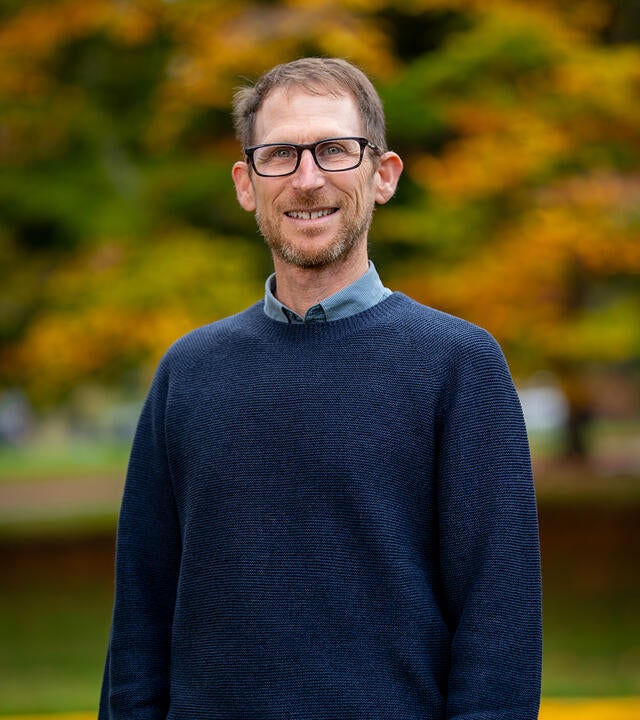
Students today don’t want to wait until after they graduate to make a difference in the world. They want to make a difference in the world while they’re in college, while they’re learning.”
Marc Schlossberg
Professor of city and regional planning and co-founder of Sustainable Cities Institute
UO students get hands-on preparation to build careers and lives of purpose. Cities see measurable impact and actionable solutions for some of their most vexing issues. It’s the kind of impact that investment in the UO can help extend: giving more students opportunities to put their education into action while bringing the university’s ideas and expertise to communities that can benefit from them.
“To me, the Sustainable City Year Program is a magic formula that matches existing building blocks and desires of students and faculty on campus with existing problems and challenges that our communities have,” said Schlossberg, professor of city and regional planning and co-founder of the Sustainable Cities Institute.
An education in what’s possible
Ducks have twice collaborated with the City of Salem, where they’ve worked on everything from transportation to civic outreach. Most recently, business students proposed changes to the city’s wastewater operations that led to $800,000 in annual savings.
“The best value about participating in Sustainable City Year for cities is that you get to do so much more than you could do on your own,” said Courtney Knox Busch, Salem’s assistant city manager and director for strategy and engagement.
That holds true for other Oregon municipalities. In Troutdale, architecture students led an affordable housing project that laid the groundwork for an 85-unit apartment building. In Gladstone, a UO public relations class-turned-consultancy pitched a compelling campaign to attract more tourism.
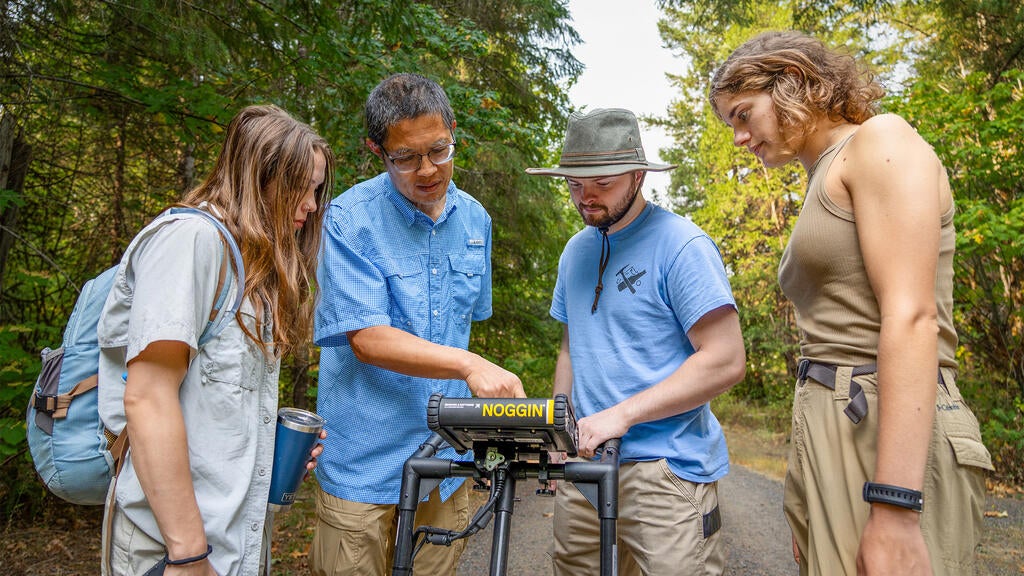
Redmond adopted 15 student proposals to improve cycling safety. Albany incorporated Duck designs for its parks system, and Oakridge benefited from projects ranging from ground-penetrating radar surveys to marketing communications for its First Friday Art Walk.
Let’s build more programs like this!
Help empower students to make change in the world while they learn invaluable skills for their futures.

Fueling what’s next
Since its beginnings, the Sustainable City Year Program has gone on to inspire similar partnerships at more than sixty universities on four continents. From environmental restoration in Mexico to food security in South Africa to waste management in Kenya, the UO model improves lives while preparing the next generation of leaders.
How did that first partnership with Gresham grow into a network promoting worldwide social good? The UO bet on an innovative faculty idea and gave it room to grow.
“The University of Oregon is pioneering a whole new model for higher education, where we’re integrating our research, our teaching, and our service in a way that leverages the existing resources of a university but puts them into the practice and implementation of advancing a critical social need,” Schlossberg said.
The Sustainable City Year Program didn’t start as a global model. It started as a vision, backed by people who believed Oregon could push past limits into a new possible.
“The Sustainable City Year Program provides so much goodness for so many different people, from students and faculty to the university and the community,” Schlossberg said. “Because it leverages a basic and existing building block of the university—classes—it is a model that squeezes value out of what we’ve already invested in. So, just a teeny tiny amount of support to the program unleashes a ton of capacity, turning potential energy into actualized energy.”
Seventeen years ago, the Sustainable City Year Program began as a promising idea from two faculty members. Today, it's helping communities across Oregon and inspiring universities around the world. Every gift helps Oregon continue to nurture bold ideas—and empower the people who bring them to life.